PBST Erasmus + mobility to Helsinki
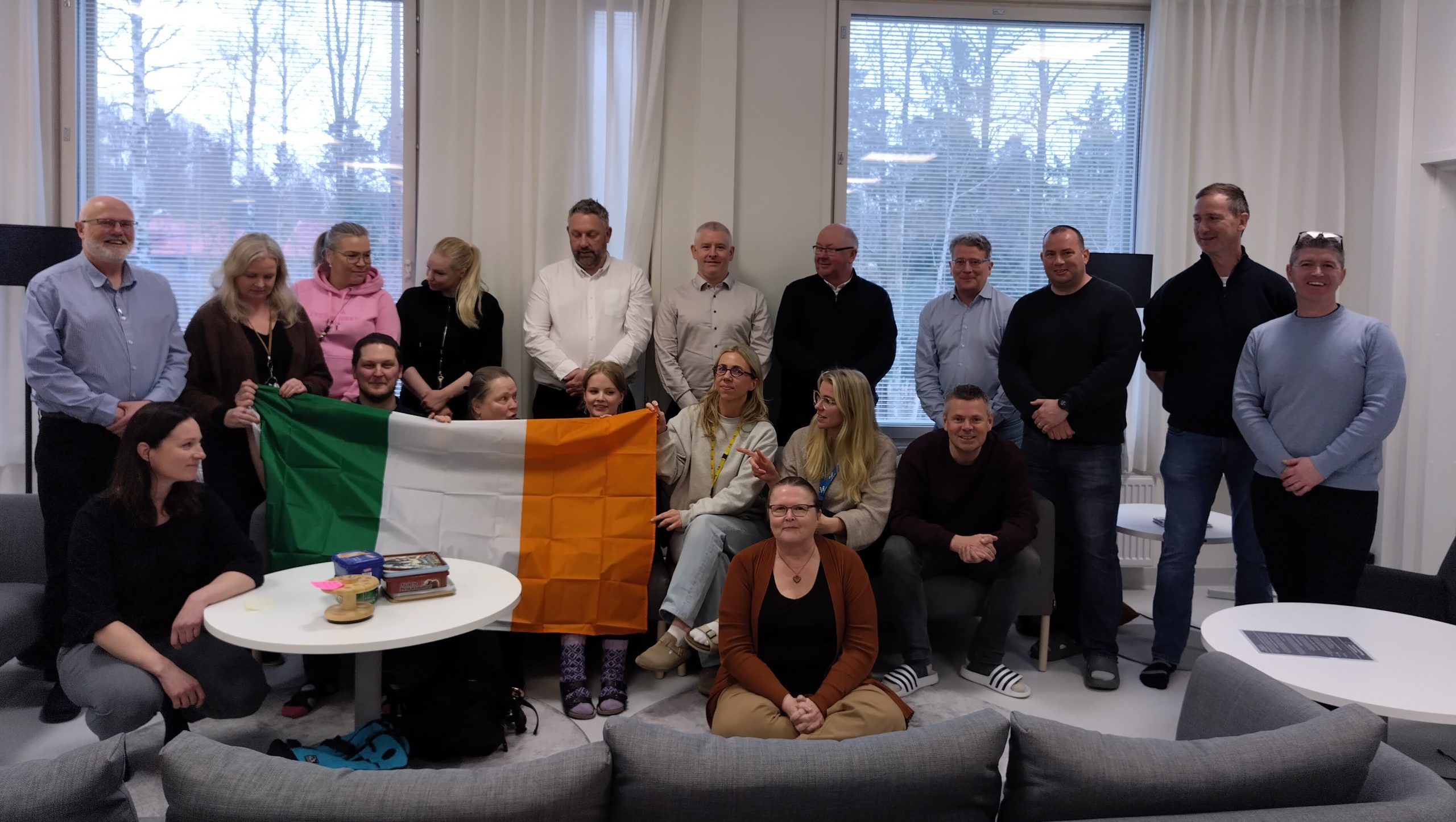
The latest iteration of the PBST-led Erasmus + program involved a visit by our school principals, along with two personnel from the trust, to Finland. During the course of our ‘mobility’, we visited a school in suburban Helsinki that catered for students ranging from 5 to 16 years of age. The school was newly-built and ultra-modern in design and situated in an area of the city that has seen a considerable degree of in-migration over the last 20 years.
We chose Finland for this year’s mobility as it has a reputation for having one of Europe’s most progressive and successful education systems. Autonomy (for both teachers and students) is a particular feature of the system which means that there are no departmental inspections and very few formal exams. Our five-day visit to Tiistilan koulu (the name of our partner school) essentially involved observing a wide range of lessons and engaging in professional conversations with the school principals (there were two) and with the primary and post-primary teachers (known as ‘classroom’ and ‘subject teachers’ respectively).
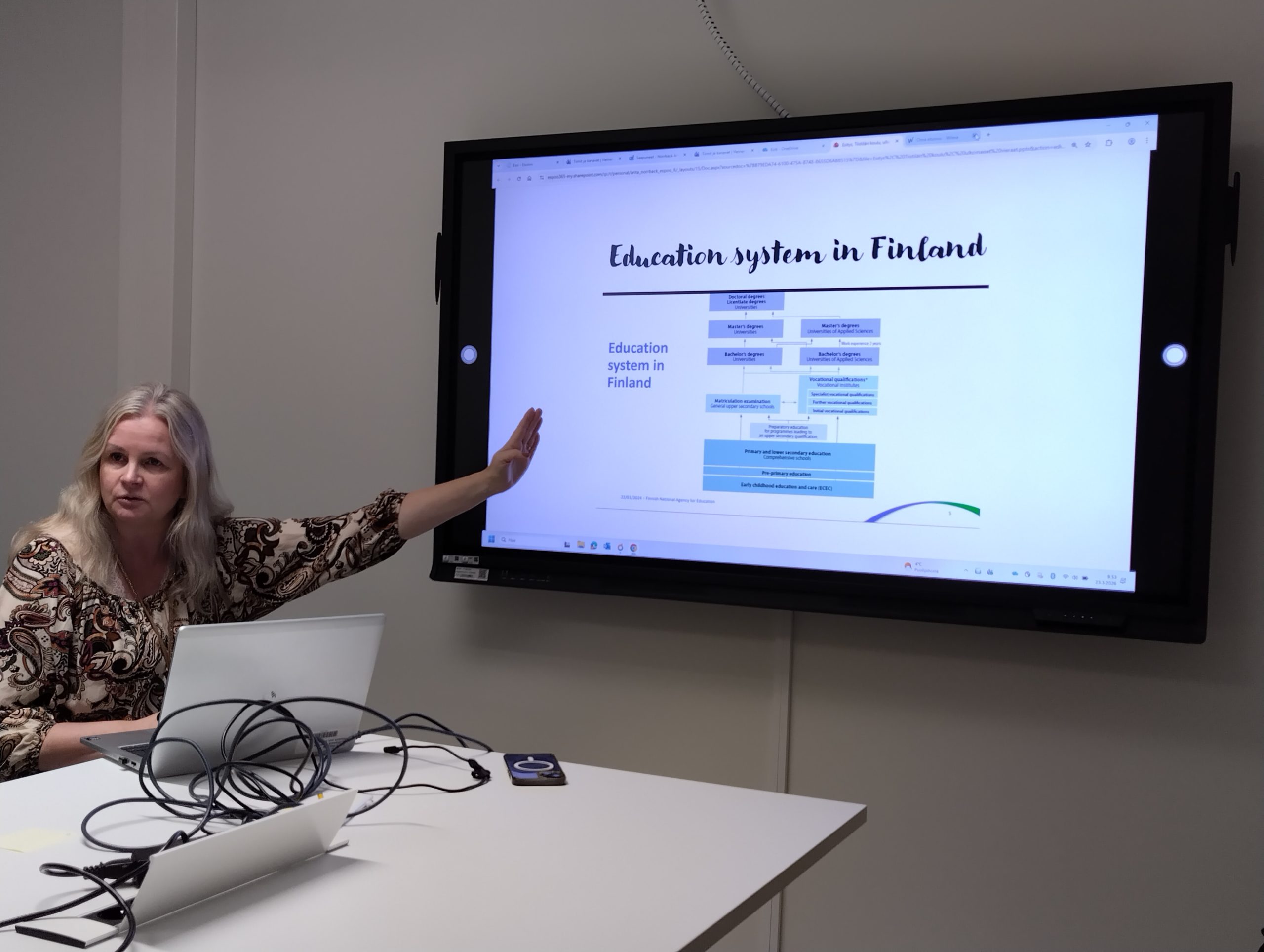
The school building itself was extremely impressive: eco-friendly, very well-equipped, orderly, and (as one might expect in a Scandinavian country) clean – almost to the point of sterility. Our Finnish colleagues were friendly though somewhat reserved in nature. Once the effort was made to engage with them, they were, however, more than happy to talk about the pros and cons of their system. The pupils, like pupils everywhere, were curious about the strange visitors in their midst and happy to have the opportunity to practice their English. Most of the students already spoke English to a very high standard and the language was often used as something of a lingua Franca among the many different nationalities attending the school.
We were surprised (pleasantly) by much of what we observed. Finland is often held up as having the type of educational system we should all aspire to attain. In fact, while the school itself was very modern, the equipment available in the classroom was generally on a par with what would be available in any Irish classroom. What’s more, some teachers failed to make any great use of the equipment and taught in a rather teacher-led fashion. We also saw surprisingly little group work and only on rare occasions did we see lessons begin with any statement of learning intentions!
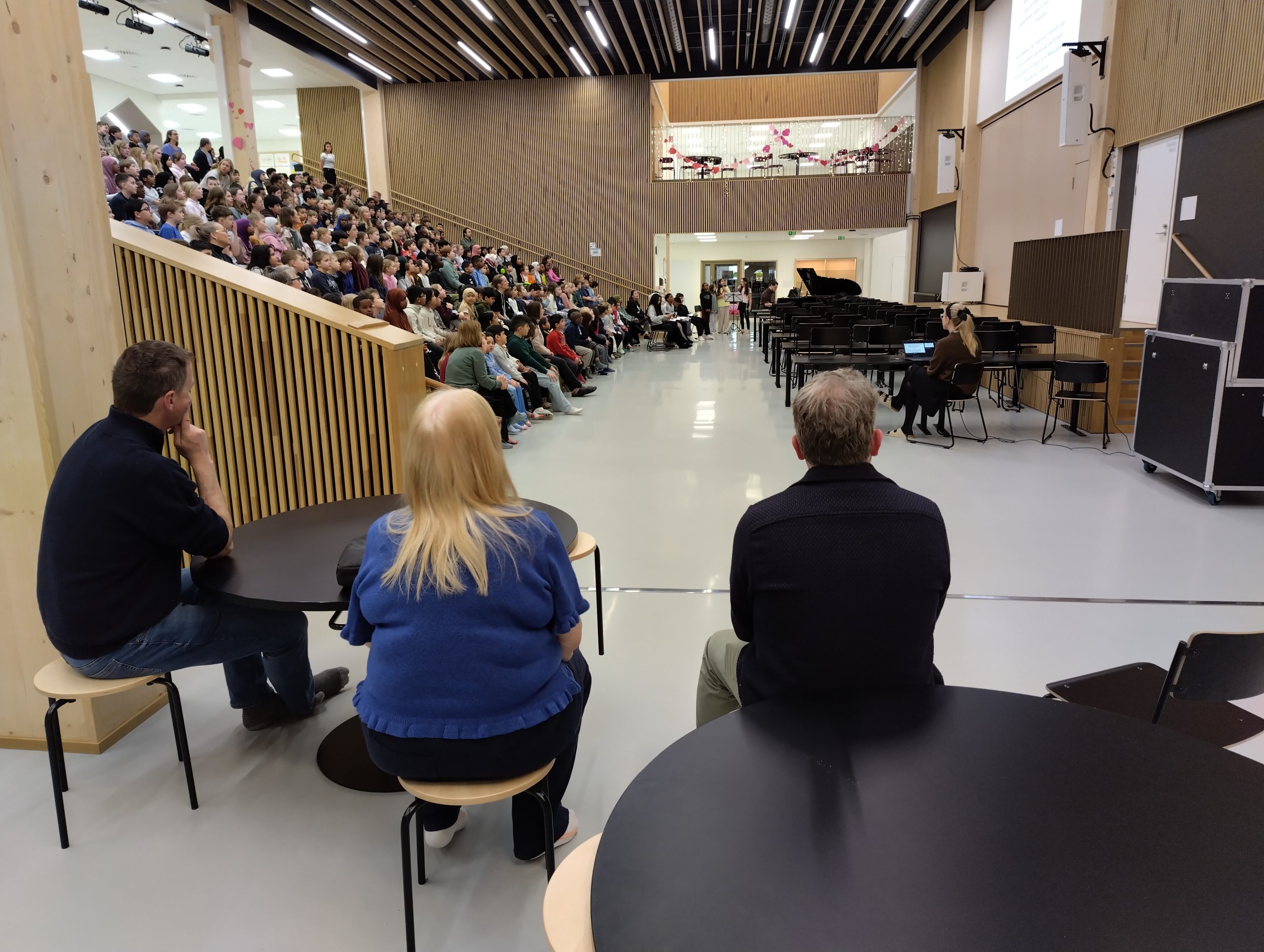
The primary school principals were particularly unimpressed with much of what they saw with regard to special/additional education needs provision. SNAs don’t exist in their system and there appeared to be very little in the way of individualised learning programmes. In fact, the use of differentiated teaching and learning strategies seemed to be largely absent from many of the lessons we observed.
On the positive side, most students appeared to be very actively engaged in their learning and there was little or no disruptive behaviour. The Finnish teachers continually spoke about this particular school being in a socially-deprived area and facing many challenges but these weren’t especially obvious to us. The school had its own psychologist, nurse and what seemed to be a small army of ancillary staff. All students had regular breaks throughout the day where they were free to interact socially or engage in recreation. They also received free school meals which were served in the very well-equipped school canteen. And no one, ourselves included, was permitted to wear shoes within the school. You either brought your own pair of slippers or just wore your socks! It made for a very quiet environment. The teachers we spoke to had mixed views on the high degree of autonomy that, as I said earlier, is a feature of the Finnish system. They liked the freedom it gave them but accepted that it can lead to uneven standards between schools. They suggested that the ‘best’ schools were those where in-school monitoring of teacher practice by school management was frequent and collaborative in nature.
All students are entitled to one hour of religious instruction during the course of the week according to their particular religious affiliation. Most of the ethnic Finn students are Lutheran or at least nominally Lutheran. To provide for the tiny number of Catholics within the school, the Catholic RE teacher travels between schools. A similar service is provided for Muslim students and students of other religions.
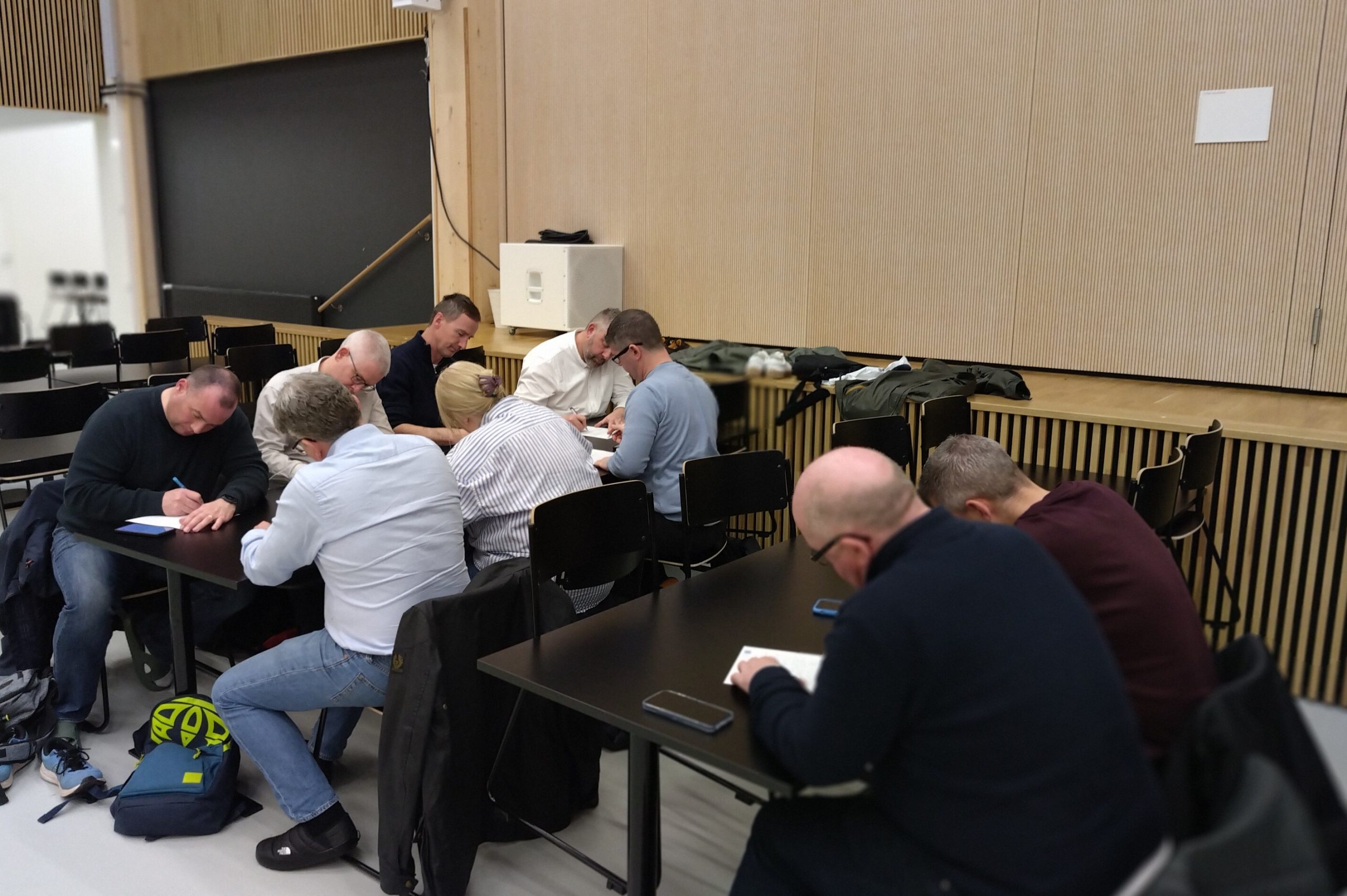
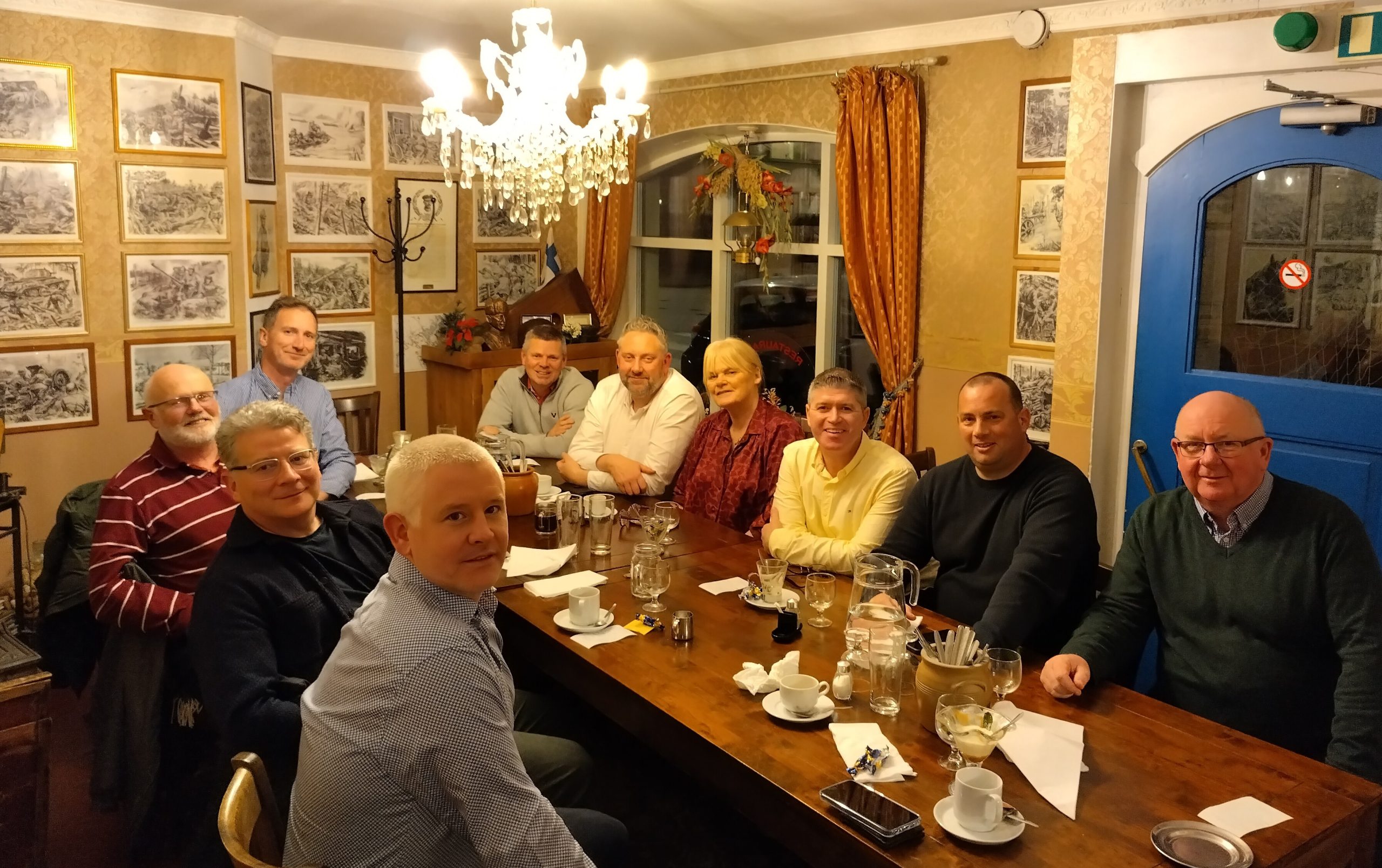
Overall, it was a marvellous learning experience for all of us. One of the aims of our participation in this program is to provide an opportunity for staff members in the various PBST schools to interact and to share ideas on ‘how we do things in our school’. We certainly achieved that, while also getting to know a city that few of us would otherwise ever visit. Helsinki is a very prosperous and interesting city to visit. Whatever about their education system, we could certainly learn an awful lot about how they do public transportation. It is amazingly clean, efficient and cheap. Highlights of the trip included a visit to a restaurant serving traditional Finnish food (with Rudolf on the menu) and an excursion to the city of Tallinn in Estonia which was just a ferry ride away.
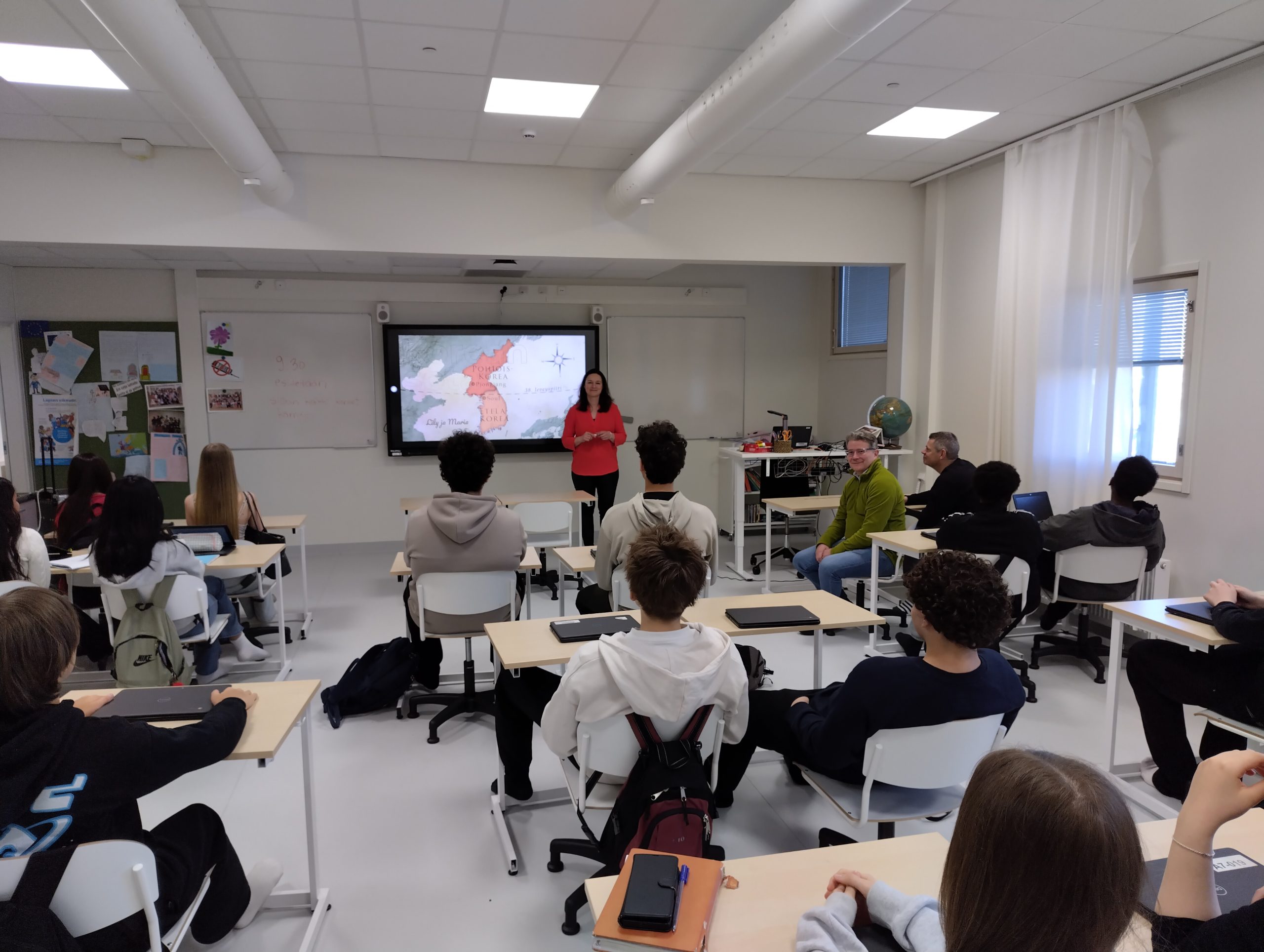
Over the last three years, our involvement in the Erasmus+ program has focused on school leaders through the involvement of Principals, DPs, APs and RE coordinators. Next year our focus will be on Special Education with our ‘mobility’ provisionally slated for Germany and we will be hoping that many of our SENCOs will avail of the opportunity to travel. The real benefit of participation is the opportunity afforded to teachers to interact with colleagues from other schools, so if you currently work in Special Education, now is the time to make your interest known to your principal.